

The Microbiome Diet: A Comprehensive Guide (2026)
Today, March 31st, 2026, understanding the gut’s trillions of microbes—influencing immunity and even brain function—is key; diet profoundly shapes their activity and composition.
What is the Microbiome?
The microbiome represents the vast community of microorganisms – including bacteria, fungi, viruses, and other microbes – that reside in and on our bodies. While found throughout, the gut microbiome is the most extensively studied, containing trillions of these microscopic entities. These aren’t simply passengers; they actively participate in crucial bodily functions.
These microbes aid in digestion, nutrient absorption, and the synthesis of essential vitamins. More remarkably, they play a pivotal role in immune system development and regulation, influencing our susceptibility to disease. Emerging research demonstrates a profound connection between the gut microbiome and brain function, impacting mood, behavior, and cognitive processes.
Our diet is a primary driver of microbiome composition and activity. What we consume directly fuels or hinders the growth of different microbial species, ultimately shaping the overall health and balance of this intricate ecosystem within us. Understanding this dynamic is fundamental to harnessing the power of the microbiome for improved well-being.
The Gut-Brain Connection & Microbiome
The gut and brain engage in constant, bidirectional communication, often referred to as the gut-brain axis. This complex network involves neural, hormonal, and immunological pathways, with the microbiome acting as a crucial intermediary. Gut microbes produce neurotransmitters – like serotonin and dopamine – directly influencing mood and emotional regulation.
Furthermore, the microbiome impacts brain function through the vagus nerve, a major communication highway between the gut and brain. Microbial imbalances can trigger inflammation, which is increasingly recognized as a key factor in neurological and psychiatric disorders. A disrupted microbiome can contribute to anxiety, depression, and even neurodegenerative diseases.
Therefore, nurturing a healthy gut microbiome through dietary interventions isn’t just about digestive health; it’s about supporting optimal brain function and mental well-being. The composition of gut microbes profoundly influences this vital connection, highlighting the importance of a microbiome-focused diet.
How Diet Impacts the Microbiome
Our dietary choices exert a powerful influence on the composition and activity of the gut microbiome. The food we consume serves as the primary fuel source for these microbial communities, directly shaping which species thrive and which decline. A diet lacking in fiber, for instance, can starve beneficial bacteria, leading to dysbiosis – an imbalance in the gut ecosystem.
Conversely, a diet rich in plant-based foods, particularly those high in fiber, provides the necessary substrates for the growth of health-promoting bacteria. These bacteria, in turn, produce short-chain fatty acids (SCFAs), which have numerous beneficial effects on gut health and overall well-being. Processed foods, sugars, and artificial sweeteners, however, can negatively impact the microbiome, fostering the growth of harmful bacteria and contributing to inflammation.
Ultimately, a mindful approach to diet is essential for cultivating a diverse and resilient microbiome, supporting optimal health from the gut to the brain.

Key Principles of the Microbiome Diet
Prioritizing fiber, prebiotics, and probiotics while limiting processed foods, sugar, and artificial sweeteners are foundational for nurturing a thriving gut microbiome.
Focus on Fiber-Rich Foods
Fiber is the cornerstone of a healthy microbiome diet, acting as the primary fuel source for beneficial gut bacteria. These microbes ferment fiber, producing short-chain fatty acids (SCFAs) like butyrate, propionate, and acetate, which offer numerous health benefits. SCFAs nourish the gut lining, reduce inflammation, and even influence immune function.
Increasing fiber intake promotes a diverse and resilient gut ecosystem. Aim for a variety of fiber types – soluble and insoluble – found in different plant-based foods. Soluble fiber dissolves in water, forming a gel-like substance that helps regulate blood sugar and cholesterol, while insoluble fiber adds bulk to stool, promoting regularity.
Dietary guidelines generally recommend 25-35 grams of fiber daily, but many individuals fall short of this target. Gradually increasing fiber intake is crucial to avoid digestive discomfort. Prioritize whole, unprocessed plant foods to maximize fiber consumption and support optimal gut health.
Prioritize Prebiotic Foods
Prebiotics are non-digestible fibers that selectively nourish beneficial bacteria in the gut, essentially acting as food for probiotics. Unlike probiotics, which introduce live bacteria, prebiotics support the growth and activity of existing beneficial microbes, fostering a thriving gut ecosystem. This targeted nourishment enhances microbial diversity and function.
Excellent prebiotic sources include foods like garlic, onions, leeks, asparagus, bananas, and oats. These foods contain specific types of fibers, such as inulin and fructooligosaccharides (FOS), that are particularly effective at promoting the growth of Bifidobacteria and Lactobacilli – key bacterial groups associated with gut health.
Incorporating prebiotic-rich foods into your daily diet can improve digestion, enhance nutrient absorption, and strengthen the immune system. A diverse intake of prebiotics supports a wider range of beneficial bacteria, contributing to overall gut resilience and well-being.
Embrace Probiotic-Rich Foods
Probiotic-rich foods deliver live microorganisms directly to your gut, supplementing your existing microbiome. These beneficial bacteria contribute to a diverse and balanced gut flora, aiding in digestion, nutrient absorption, and immune function. While the gut already hosts trillions of microbes, introducing additional strains through diet can offer significant health benefits.
Fermented foods are the primary dietary source of probiotics. Examples include yogurt (with live and active cultures), kefir, sauerkraut, kimchi, kombucha, and miso. These foods undergo fermentation processes that encourage the growth of beneficial bacteria, creating a naturally probiotic-rich product.
Regular consumption of probiotic foods can help restore gut balance, particularly after antibiotic use or periods of digestive distress. However, it’s important to choose products with a variety of strains and sufficient colony-forming units (CFUs) for optimal impact on gut health and overall wellness.
Limit Processed Foods, Sugar & Artificial Sweeteners
Processed foods, laden with additives and lacking in fiber, negatively impact the gut microbiome. They often promote the growth of harmful bacteria while suppressing beneficial ones, leading to dysbiosis – an imbalance in the gut ecosystem. This disruption can contribute to inflammation and various health issues.
Excessive sugar intake fuels the growth of undesirable gut bacteria and yeasts, further exacerbating dysbiosis. It can also compromise the integrity of the gut lining, increasing intestinal permeability (leaky gut). Reducing added sugars is crucial for a healthy microbiome.
Artificial sweeteners, despite being calorie-free, have been shown to disrupt the gut microbiome’s composition and function. They can alter bacterial metabolic pathways and potentially contribute to glucose intolerance. Prioritizing whole, unprocessed foods is essential for nurturing a thriving gut environment.

Foods to Include in a Microbiome Diet
Embrace a diverse range of foods! Vegetables, fruits, whole grains, legumes, fermented options, nuts, and seeds nourish gut bacteria, promoting a healthy microbiome.
Vegetables: A Microbiome Powerhouse
Vegetables are foundational to a thriving microbiome, offering a wealth of prebiotic fibers that nourish beneficial gut bacteria. These fibers resist digestion in the upper gastrointestinal tract, reaching the colon where they are fermented by microbes, producing short-chain fatty acids (SCFAs) like butyrate.
SCFAs are crucial for gut health, providing energy for colon cells, reducing inflammation, and strengthening the gut barrier. A diverse intake of vegetables ensures a wider range of fiber types, supporting a more diverse and resilient microbial community.
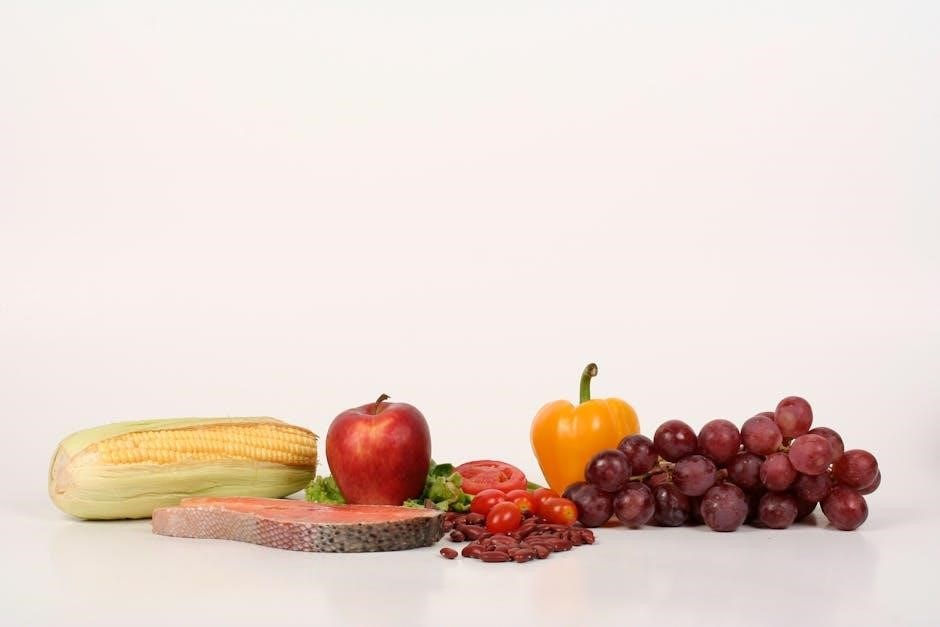
Focus on incorporating a rainbow of colors – leafy greens (spinach, kale), cruciferous vegetables (broccoli, cauliflower), alliums (garlic, onions), and root vegetables (sweet potatoes, carrots) – each contributing unique compounds and fiber profiles. Prioritizing vegetables is a simple yet powerful step towards optimizing gut health and overall well-being.

Fruits: Natural Sugars & Fiber
Fruits offer a delightful combination of natural sugars and fiber, contributing to a healthy microbiome, though moderation is key due to their sugar content. The fiber in fruits, particularly pectin found in apples and citrus fruits, acts as a prebiotic, feeding beneficial gut bacteria.
This fermentation process supports microbial diversity and SCFA production, enhancing gut health. Berries are especially valuable, rich in polyphenols – compounds with antioxidant and anti-inflammatory properties that further benefit the gut ecosystem.
Choosing whole fruits over juices is crucial, as juicing removes much of the beneficial fiber. Incorporate a variety of fruits into your diet, mindful of portion sizes, to enjoy their nutritional benefits without disrupting gut balance. Remember, balance is paramount for a flourishing microbiome.
Whole Grains: Nourishing Gut Bacteria
Whole grains are a cornerstone of a microbiome-friendly diet, providing complex carbohydrates and fiber that nourish beneficial gut bacteria. Unlike refined grains, whole grains retain their bran, germ, and endosperm, maximizing their nutritional value and prebiotic potential.
These fibers resist digestion in the upper gastrointestinal tract, reaching the colon where they are fermented by gut microbes, promoting the production of short-chain fatty acids (SCFAs); SCFAs like butyrate are vital for gut health, reducing inflammation and strengthening the gut barrier.
Opt for options like quinoa, brown rice, oats, and barley. Incorporating a diverse range of whole grains supports a wider variety of gut bacteria, contributing to a more resilient and balanced microbiome. Prioritize whole grains over processed alternatives for optimal gut health benefits.
Legumes: Prebiotic Champions

Legumes – including beans, lentils, and chickpeas – stand out as exceptional prebiotic foods, powerfully fueling the growth of beneficial gut bacteria. Their complex carbohydrates, particularly resistant starch and various fibers, escape digestion in the small intestine, arriving intact in the colon to be fermented by the microbiome.
This fermentation process yields short-chain fatty acids (SCFAs), notably butyrate, which is crucial for colonocyte health, reducing inflammation, and bolstering the gut barrier function. Legumes also contribute to increased microbial diversity, fostering a more robust and adaptable gut ecosystem.
Regular legume consumption is linked to improved gut health markers and overall well-being. Incorporate a variety of legumes into your diet to maximize prebiotic benefits and support a thriving gut microbiome. They are truly champions for gut health!
Fermented Foods: Probiotic Sources
Fermented foods represent a delicious and effective way to introduce live microorganisms – probiotics – directly into your gut. Unlike prebiotics which feed existing bacteria, probiotics add to the population, potentially enhancing gut diversity and function. Examples include yogurt, kefir, sauerkraut, kimchi, kombucha, and miso.
These foods undergo a process of lacto-fermentation, creating an environment that encourages the growth of beneficial bacteria. These probiotics can help improve digestion, enhance nutrient absorption, and even bolster the immune system. However, probiotic strains vary significantly between products.
Choosing a variety of fermented foods ensures exposure to a wider range of beneficial bacteria. Incorporating them regularly into your diet can be a powerful strategy for supporting a healthy and balanced gut microbiome, contributing to overall wellness.
Nuts & Seeds: Healthy Fats & Polyphenols
Nuts and seeds are nutritional powerhouses, offering a compelling combination of healthy fats, fiber, and crucially, polyphenols – plant compounds with significant benefits for gut health. Emerging research, particularly studies involving almonds, suggests these components actively support gut microbiome diversity.
The fiber content in nuts and seeds acts as a prebiotic, nourishing beneficial gut bacteria. Polyphenols, however, aren’t always easily absorbed in the upper digestive tract. This allows them to reach the colon, where they’re metabolized by gut microbes, producing beneficial compounds.
Regular consumption of nuts and seeds can foster a more diverse and resilient gut ecosystem. Incorporate a variety – walnuts, chia seeds, flaxseeds, almonds – to maximize the range of nutrients and polyphenols delivered to your microbiome, promoting overall gut wellness.

Foods to Limit or Avoid
Minimizing processed foods, sugar, and artificial sweeteners is vital; these negatively impact gut health, disrupting the delicate balance of your microbiome ecosystem.
Processed Foods & Their Impact
Highly processed foods represent a significant threat to a thriving gut microbiome. These items, often laden with refined sugars, unhealthy fats, and artificial additives, actively diminish the diversity and functionality of beneficial gut bacteria. The lack of fiber in processed foods starves these microbes, hindering their ability to produce essential short-chain fatty acids (SCFAs) – crucial for gut health and overall well-being.
Furthermore, emulsifiers and other food additives commonly found in processed items can disrupt the protective mucus layer lining the gut, increasing intestinal permeability – often referred to as “leaky gut.” This allows harmful substances to enter the bloodstream, triggering inflammation and potentially contributing to various health issues. Regularly consuming processed foods fosters an environment where detrimental bacteria flourish, outcompeting the beneficial strains necessary for optimal digestion, immunity, and even mental health. Prioritizing whole, unprocessed foods is paramount for nurturing a robust and balanced microbiome.
Sugar’s Negative Effects on Gut Health
Excessive sugar intake demonstrably harms the delicate balance of the gut microbiome. Unlike fiber, sugar feeds undesirable bacteria and yeasts, such as Candida, leading to their overgrowth and a reduction in beneficial microbial diversity. This imbalance, known as dysbiosis, can manifest as digestive discomfort, bloating, and impaired nutrient absorption.
High sugar consumption also fuels inflammation throughout the body, impacting gut permeability and potentially contributing to systemic health problems. The overgrowth of harmful microbes can weaken the gut barrier, increasing the risk of “leaky gut” and triggering an immune response. Furthermore, sugar disrupts the production of SCFAs, vital for gut health and overall well-being. Reducing added sugar intake is crucial for fostering a healthy microbiome and supporting optimal digestive function. Choosing natural sources of sweetness in moderation is advisable.
Artificial Sweeteners & Microbiome Disruption
Despite being marketed as healthier alternatives, artificial sweeteners can significantly disrupt the gut microbiome. Research indicates these compounds don’t pass through the digestive system undigested, unlike fiber; instead, they interact with gut bacteria, often in detrimental ways. This interaction can alter the composition and function of the microbial community, potentially leading to dysbiosis – an imbalance of gut flora.
Studies suggest certain artificial sweeteners may promote the growth of bacteria associated with metabolic disease and glucose intolerance. They can also impair the production of beneficial short-chain fatty acids (SCFAs), crucial for gut health and overall well-being. While more research is needed, current evidence suggests minimizing artificial sweetener consumption is prudent for maintaining a healthy gut microbiome and supporting optimal metabolic function. Prioritizing whole, unprocessed foods is a better strategy.
Red Meat & Gut Microbiome
The relationship between red meat consumption and the gut microbiome is complex and increasingly scrutinized. While not inherently “bad,” high intake of red meat can influence the gut microbial composition, often favoring bacteria that thrive on its unique compounds, like L-carnitine and heme iron. This shift can lead to the production of trimethylamine N-oxide (TMAO), a compound linked to increased cardiovascular risk.
Furthermore, red meat lacks the fiber crucial for nourishing beneficial gut bacteria. A diet heavily reliant on red meat, and lacking in plant-based foods, can reduce microbial diversity, potentially compromising gut health and immune function. Moderation is key; incorporating lean protein sources and prioritizing fiber-rich foods alongside occasional red meat consumption appears to be a more microbiome-friendly approach. Consider plant-based alternatives to support a thriving gut ecosystem.

Specific Dietary Approaches
Exploring dietary patterns, the Mediterranean and plant-based diets demonstrably enhance gut diversity, while high-fiber approaches positively impact immune cell activity (ICI).
The Mediterranean Diet & Microbiome Health
The Mediterranean Diet, rich in fruits, vegetables, whole grains, legumes, and healthy fats like olive oil, provides a diverse range of nutrients that profoundly benefit the gut microbiome. This dietary pattern fosters a flourishing ecosystem of beneficial bacteria, contributing to improved gut health and overall well-being. The abundance of fiber from plant-based foods serves as a crucial prebiotic, nourishing these microbes and promoting their growth.
Furthermore, the polyphenols found in olive oil, fruits, and vegetables act as potent antioxidants and anti-inflammatory agents, further supporting a balanced gut microbiome. Research indicates that adherence to a Mediterranean Diet is associated with increased microbial diversity, a hallmark of a healthy gut. This diversity translates to enhanced immune function, improved digestion, and potentially, a reduced risk of chronic diseases. It’s a holistic approach, nurturing the gut from the ground up.
Plant-Based Diets & Gut Diversity
Embracing a plant-based diet – whether vegetarian, vegan, or flexitarian – demonstrably boosts gut microbiome diversity. This is primarily due to the high fiber content inherent in plant foods, acting as prebiotics that selectively feed beneficial gut bacteria. Diverse bacterial communities are linked to improved immune function, reduced inflammation, and enhanced nutrient absorption.
Unlike animal products, plants lack cholesterol and are generally lower in saturated fats, contributing to a healthier gut environment. The wide array of phytochemicals present in fruits, vegetables, and legumes also play a crucial role, possessing antioxidant and anti-inflammatory properties that support microbial balance. Studies suggest plant-based eaters exhibit a greater abundance of bacteria associated with lean body mass and reduced disease risk, highlighting the powerful connection between diet and gut health.
High-Fiber Diet & ICI Activity
Emerging research indicates a strong correlation between high-fiber dietary intake and enhanced Immune Checkpoint Inhibitor (ICI) activity. ICIs are a form of cancer therapy, and their effectiveness is increasingly linked to the composition of the gut microbiome. Fiber, indigestible by humans, serves as a primary food source for gut bacteria, fostering a diverse and robust microbial ecosystem.
Specific bacterial species, nourished by fiber, produce metabolites like short-chain fatty acids (SCFAs). These SCFAs play a vital role in modulating immune responses, potentially improving the body’s ability to recognize and attack cancer cells when treated with ICIs. As summarized in recent ASCO Educational Book findings, dietary interventions prioritizing fiber are showing promise in optimizing ICI outcomes, suggesting a powerful synergy between nutrition and cancer immunotherapy.

The Microbiome & Specific Health Concerns
Lifestyle and environmental factors significantly shape the female vaginal, gut, oral, and skin microbiomes; diet quality impacts the oral microbiome in postmenopausal women.
Oral Microbiome & Diet Quality (Postmenopausal Women)
A University at Buffalo study marks the first exploration into the connection between diet quality and the oral microbiome specifically within a sample of postmenopausal women. This emerging area of research highlights a crucial, often overlooked, aspect of overall health – the microbial ecosystem within the mouth and its responsiveness to nutritional intake.
The study’s findings suggest a tangible link between what postmenopausal women consume and the composition of bacteria residing in their oral cavities. This is particularly significant as hormonal shifts during menopause can influence both oral health and the gut microbiome, potentially creating a complex interplay.
Understanding this relationship opens avenues for targeted dietary interventions aimed at fostering a healthier oral microbiome, which, in turn, could contribute to improved systemic health. Further research is needed to fully elucidate the specific dietary components that exert the most beneficial effects, but the initial findings are promising.
Vaginal, Skin & Gut Microbiome – Lifestyle Factors

A comprehensive review is examining the intricate ways in which modifiable lifestyle and environmental factors profoundly shape the delicate balance of the female vaginal, gut, oral, and skin microbiomes. This holistic perspective acknowledges that these microbial ecosystems aren’t isolated entities, but rather interconnected components of overall health.
Beyond diet, factors such as stress levels, sleep patterns, hygiene practices, and exposure to environmental toxins all exert significant influence on microbial diversity and function. The vaginal microbiome, for instance, is particularly sensitive to hormonal fluctuations and hygiene routines.
Similarly, the skin microbiome is impacted by skincare products and environmental exposures, while the gut microbiome is heavily influenced by dietary choices and antibiotic use. Recognizing these interconnectedness allows for a more nuanced and effective approach to promoting microbial health through targeted lifestyle modifications.
Almonds & Gut Microbiome Diversity
Emerging research strongly suggests that incorporating almonds into the diet may actively support and enhance gut microbiome diversity. This positive impact is attributed to the unique nutritional profile of almonds, boasting a beneficial combination of fiber, healthy fats, and polyphenols – all crucial components for fostering a thriving gut ecosystem.
The fiber content in almonds serves as a prebiotic, providing nourishment for beneficial gut bacteria. Simultaneously, the healthy fats contribute to overall gut health and reduce inflammation. Polyphenols, acting as antioxidants, further protect gut microbes from oxidative stress.
Studies indicate that regular almond consumption can lead to an increase in the abundance of specific bacterial species associated with improved gut function and overall well-being, highlighting almonds as a valuable addition to a microbiome-focused dietary approach.
Immune System Support Through Microbiome Diet
A robust immune system is intrinsically linked to a healthy and diverse gut microbiome. Trillions of microbes residing within the gut play a critical role in educating and modulating immune responses, acting as a first line of defense against pathogens and maintaining immune homeostasis.
The microbiome diet, emphasizing fiber-rich foods, prebiotics, and probiotics, directly supports this crucial gut-immune connection. By nourishing beneficial bacteria, we enhance their ability to strengthen the gut barrier, preventing harmful substances from entering the bloodstream and triggering immune reactions.
Furthermore, a balanced microbiome promotes the production of short-chain fatty acids (SCFAs), which possess potent anti-inflammatory properties and further bolster immune function. Consequently, adopting a microbiome-focused diet can significantly enhance immune resilience and reduce susceptibility to illness.