
Understanding the Purpose of Art Criticism
Art criticism guides readers beyond surface, revealing intent, context, and impact. It frames visual language, connecting form to meaning, and invites dialogue and sparks dialogue!!! By interrogating choices, critics illuminate cultural narratives, fostering deeper appreciation and critical engagement.
Distinguishing Analysis from Evaluation
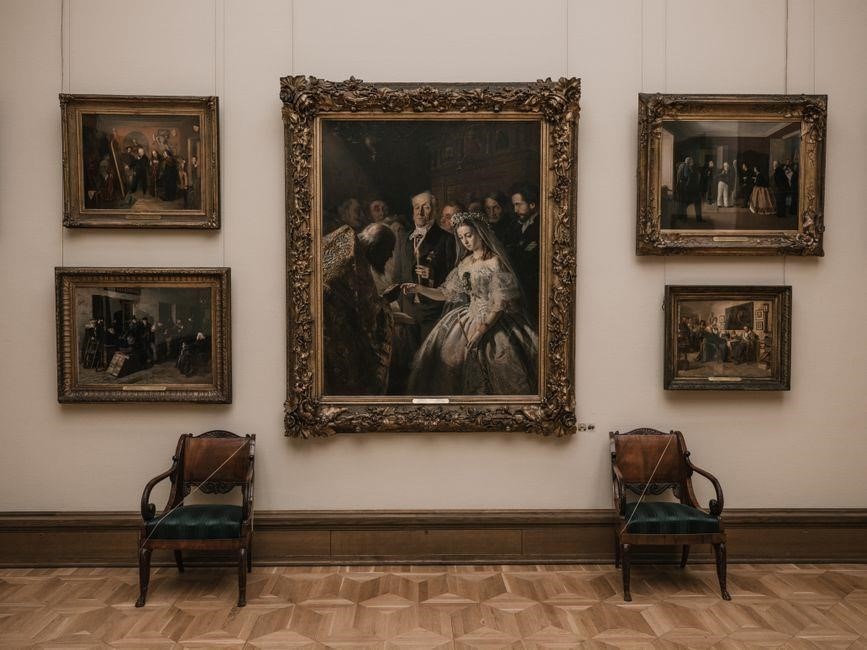
Analysis examines the artwork’s formal elements—line, shape, color, composition, texture—and how they work together to produce meaning. It asks questions such as: What is the artist doing? How do the visual choices create mood or narrative? What techniques are employed? Evaluation, on the other hand, assigns value or judgment: Is the piece successful? Does it resonate? Does it meet certain aesthetic or cultural standards? While analysis remains descriptive and interpretive, evaluation introduces subjective criteria, often reflecting the critic’s personal response or broader critical frameworks. Distinguishing the two is crucial: analysis provides the evidence upon which evaluation can be grounded. A well‑structured essay should first lay out the analytical observations, then, if appropriate, move to evaluation, ensuring that any judgment is clearly linked to the prior observations. This approach prevents the essay from becoming a mere opinion piece and instead grounds critique in observable facts and thoughtful interpretation.
Moreover, an approach to analysis equips students with a vocabulary that transcends individual works, articulating observations across media. By grounding critique in concrete evidence, writers avoid vague generalities and foster rigorous very just and only accessible. This methodological clarity ultimately strengthens the credibility of the critic’s voice and enriches the reader’s experience.!!! !
The Role of Context in Art Writing
Context frames an artwork’s meaning, revealing why a piece was made and how it speaks to its time. In practice, writers gather biographical data, historical events, cultural movements, and the artist’s own statements. This information supplies a backdrop against which formal choices can be interpreted. For example, a painting created during the Great Depression may emphasize scarcity or resilience, while a contemporary installation might comment on digital surveillance. By situating the work within its milieu, critics can explain recurring motifs, symbolism, and the intended audience. Context also helps readers understand the artist’s influences, such as the impact of Impressionism on light treatment or the role of feminist theory in subject matter. In a short guide, students should learn to weave context seamlessly: start with a concise historical snapshot, then link it to specific visual elements. This method keeps the essay focused while enriching analysis, ensuring that interpretation is grounded in evidence rather than speculation. Ultimately, context transforms a description into a dialogue between past and present, artist and viewer, and art and society. In addition, contextual analysis demands attention to the socioeconomic backdrop that informs artistic production. By examining patronage systems, market dynamics, and institutional gatekeeping, critics uncover how economic structures shape aesthetic decisions. This method not only enhances interpretive depth but also foregrounds the artist’s agency within broader power networks, offering a nuanced narrative that bridges personal creativity with collective history. insight enriches critical discourse and informs future scholarship.!
The Four Pillars of Formal Analysis
Formal analysis rests on four pillars: line, shape, color, and composition. Each element offers clues about structure, mood, and intent. By dissecting these components, writers uncover how artists orchestrate balance and narrative flow, revealing deeper meaning
Line, Shape, and Composition
Line is the artist’s verbal cue, guiding the eye through rhythm, tension, and direction. Curved, jagged, or smooth, each stroke communicates motion or stillness, framing the narrative. Shape, whether geometric or organic, establishes spatial relationships and emotional resonance, inviting viewers to interpret form and function. Composition unites these elements, arranging them into a coherent visual grammar that balances focal points, negative space, and hierarchy. By examining how lines intersect, how shapes dominate or recede, and how the overall layout directs attention, writers can articulate the underlying structure that supports thematic intent. This analytical lens reveals the artist’s intentional choreography, allowing readers to appreciate the deliberate orchestration of visual elements that shape meaning and experience. Lines can be gestural, suggesting spontaneity, or rigid, conveying order, each choice echoing the artist’s conceptual stance. Shape hierarchy directs the viewer’s gaze, with dominant forms creating focal points that anchor the composition and subtler shapes adding depth and nuance. Color palettes can unify disparate elements, while contrast can heighten tension, guiding the emotional rhythm of the piece. Finally, the overall balance—whether symmetrical, asymmetrical, or dynamic—determines how the composition feels cohesive, inviting the viewer to engage with the artwork on multiple levels. Critics decode formal cues to reveal the artist’s narrative intent and contextual depth now!! Analysis invites deeper appreciation.
Color, Texture, and Light
Color functions as the emotional pulse, texture as the tactile narrative, and light as the temporal lens. Vibrant hues can signal vitality or tension, while muted tones may evoke introspection. Artists manipulate saturation, hue, and value to create depth, hierarchy, and mood. Texture—whether smooth, rough, or layered—adds a physical dimension that invites the viewer to imagine touch, reinforcing thematic layers. Light, whether natural or artificial, shapes perception, casting shadows that emphasize form, delineate space, and create contrast. By analyzing how color gradients shift across a canvas, how brushstrokes reveal texture, and how light interacts with surfaces, critics uncover the artist’s strategic choices that guide the viewer’s emotional journey. This triad of sensory elements intertwines to produce a cohesive visual language, allowing the artwork to communicate beyond the surface. Understanding these elements equips writers to articulate how color, texture, and light collaborate to amplify narrative intent, evoke atmosphere, and engage the senses, transforming observation into interpretation. The interplay of chromatic energy, tactile detail, and illumination reveals the artist’s mastery and invites readers to experience the work as a living, dynamic conversation. By weaving these formal threads into a coherent narrative, the critic not only decodes the artist’s visual language but also invites the reader into a dialogue that transcends the canvas, fostering a deeper, more nuanced appreciation of contemporary artistic practice and fostering interdisciplinary dialogue daily
Crafting a Structured Art Essay
Begin with a clear thesis, then organize body paragraphs that each focus on a single formal element. Use evidence, analysis, and context to support claims. Conclude by tying insights back to the thesis, reinforcing the artwork’s significance. Finally, ensure clarity revising for coherence precision.
Thesis Development and Argumentation
A strong thesis anchors the essay, stating the central claim about the artwork’s meaning or impact. It should emerge from careful formal analysis—examining line, shape, color, and context—while anticipating counterpoints. Argumentation follows a logical progression: each paragraph presents a single supporting point, backed by visual evidence and scholarly reference. Transition sentences link claims, ensuring coherence. Concluding remarks revisit the thesis, reinforcing how the analysis substantiates the artist’s intent and the work’s cultural resonance. A well‑crafted thesis often begins with a question or observation that the artist invites the viewer to explore. By situating the artwork within its historical, cultural, or biographical framework, the writer can articulate how formal choices serve a broader narrative. Each supporting claim should reference specific visual details—such as the interplay of light and shadow, the rhythmic repetition of motifs, or the strategic use of negative space—to demonstrate how these elements reinforce the central argument. The essay’s structure should mirror the logical flow of the thesis: introduction, body paragraphs each addressing a distinct point, and a conclusion that not only restates the thesis but also reflects on its implications for understanding the work’s place in discourse. Finally, the writer should consider the audience’s prior knowledge, adjusting terminology and depth of analysis accordingly, to ensure the argument remains accessible yet rigorous!
Cohesive Paragraphs and Transitions
Paragraphs act as building blocks, each containing a single idea that supports the thesis. Begin with a topic sentence that signals the point, then weave evidence—visual details, contextual facts, or critical quotes—into a logical flow. Use connective phrases (however, moreover, consequently) to link sentences, ensuring the reader follows the argument without abrupt jumps. Transitions between paragraphs should echo the thesis, often starting with a brief recap of the previous point before advancing to the next. This strategy maintains coherence and reinforces the overall narrative. In academic writing, clarity is paramount; avoid vague references by specifying the artwork, artist, or specific visual element. When revising, read each paragraph aloud to detect disjointedness; smooth transitions often emerge by reordering sentences or inserting bridging words. Finally, a strong conclusion should revisit the thesis, summarize key arguments, and leave the reader with a lasting impression of the artwork’s significance.
In practice, the writer must balance descriptive detail with analytical insight. A well‑structured paragraph begins with a clear topic sentence, followed by evidence that illustrates the point. The writer should then interpret the evidence, linking it back to the thesis. Concluding sentences should reinforce the paragraph’s contribution to the overall argument, ensuring that each unit of analysis feels both self‑contained and part of a larger narrative tapestry. Such structuring invites readers to engage, dialogue image and text. Unifies micro and macro insights,!

Comparative Analysis Techniques
Comparing works reveals shared motifs, divergent styles, and cultural dialogue. Identify key elements—theme, form, context—then map similarities and contrasts. Use language, cite visual evidence, and articulate how each piece informs the other, enriching insight.!
Identifying Themes Across Works
When comparing artworks, the first step is to isolate recurring ideas that bind the pieces together. Look for narrative motifs—journey, conflict, transformation—that appear in composition, subject matter, or color palette. Notice how artists use symbols (e.g., a broken chain to signify liberation) to reinforce a theme across different media. Contextual research is essential; historical events, cultural movements, or personal biographies often illuminate why a theme recurs. Once you list motifs, map them onto each work in a chart to visualize overlap and divergence. This systematic approach allows you to articulate whether the theme is presented as a literal story, an abstract concept, or a critique of society. Finally, weave your observations into a cohesive argument, supporting each claim with specific visual evidence and scholarly references. By following this method, you uncover the dialogue that links disparate artworks, giving readers a richer understanding of the artists’ intentions and cultural resonance. In practice, theme map may include columns for visual motifs, tone, brief shortcultural references, allowing cross‑referencing. Additionally, consider the artist’s formal choices—line weight, color saturation, spatial arrangement—as they often reinforce thematic intent. When themes intersect, pay attention to how one work may subvert or reinterpret a motif from another, revealing intertextual dialogue. By documenting nuances builds a robust framework that identifies themes and explains their evolution across the artist’s oeuvre or broader movements.
Drawing Parallels and Contrasts

In comparative writing, the art of drawing parallels and contrasts hinges on a systematic framework that blends formal analysis, contextual insight, and critical reasoning. Begin by cataloguing key formal elements—line, shape, color, texture, and composition—in each work. Use a side‑by‑side matrix to record similarities: identical color palettes, recurring motifs, or shared spatial arrangements. Then, identify contrasts: divergent brushwork, opposing tonal schemes, or contrasting narrative stances. Contextual research deepens the analysis: historical events, cultural movements, or artist biographies can explain why two pieces align or diverge. When articulating parallels, emphasize how shared formal or thematic choices reinforce a common message or aesthetic intent. Conversely, highlight contrasts by pointing out how differing techniques or subject matter challenge or subvert that message. Employ analytic thinking to assess the impact of these similarities and differences on the viewer’s experience. Finally, weave findings into a cohesive argument, citing specific visual evidence and scholarly sources. This method transforms raw observation into a compelling narrative that illuminates the dialogue between artworks, satisfying both academic rigor and engaging storytelling. By juxtaposing visual motifs and formal strategies, critics can map the evolution of an artist’s language, revealing how early experiments inform later works and how the artist’s visual vocabulary enriches interpretive depth. in practice, and

Writing for Different Audiences and Formats
Art writers tailor tone, depth, and structure to audience and medium. For catalogs, concise, scholarly language and contextual notes guide visitors. Magazine reviews favor vivid prose, balancing critique with narrative flair. Academic essays demand strict, deep, argument, citations, and formal analysis.

Exhibition Catalog Entries
Catalog entries are the first bridge between artwork and viewer, offering a concise narrative that places the piece within its artistic and cultural context. A crafted entry balances precision with language, guiding readers through the artist’s intent, formal qualities, and the work’s role in the exhibition’s theme. Begin with a clear title reflecting the artwork’s essence, then list the artist’s name, medium, dimensions, and date. These bibliographic details anchor the piece in the art historical record and provide reference points for scholars and enthusiasts. Provide a succinct description of the visual composition, noting key elements such as line, shape, color, and texture. Highlight distinctive techniques or materials that set the work apart and consider how these choices shape the overall aesthetic experience. In the analytical section, discuss how the artist manipulates visual elements to convey meaning or emotion, linking formal aspects to thematic concerns and the exhibition’s curatorial narrative. Reference the artist’s broader oeuvre when relevant, noting stylistic continuities or departures that illuminate their practice’s evolution. Conclude with a reflective statement inviting the reader to engage personally with the artwork, encouraging contemplation of its emotional resonance, social commentary, or philosophical implications. By weaving factual detail, formal critique, and interpretive insight, a catalog entry becomes a portal that enriches the viewer’s experience and deepens appreciation of the artwork within contemporary art. Moreover, consider incorporating a brief quotation from the artist or a critical source to lend authority and depth to the entry. When space permits, include a diagram that helps readers visualize spatial relationships and compositional balance. The final touch is a citation of relevant literature or exhibition catalogues that provide further context, ensuring the entry is not only informative but also a gateway to deeper scholarship. In doing so, the catalog entry not only informs but also invites dialogue, allowing the artwork to resonate. A visual diagram or sketch can clarify compositional intent. Here.
Review Articles in Journals and Magazines
Writing a review for a scholarly journal or a popular magazine demands a balance between critical rigor and accessible prose. Begin by situating the exhibition or artist within a broader art historical framework, noting key movements, influences, and the venue’s curatorial intent. Offer a concise, objective summary of the show’s structure, then evaluate how effectively the artist’s concepts translate into visual language. Focus on formal elements—composition, color, line, and texture—while linking them to thematic concerns or socio‑political commentary. Assess the curator’s narrative: does the layout guide the viewer logically, and does the selection of works reinforce the central thesis? Compare the piece to the artist’s prior output, highlighting evolution or consistency. Incorporate quotations from the artist or critics to support claims, and reference peer‑reviewed literature to anchor arguments. Maintain a clear, argumentative stance, avoiding mere description. Conclude with a recommendation for the target audience, noting the work’s significance for scholars, collectors, or the general public. Finally, adhere to the publication’s style guide, ensuring proper citation, word count, and formatting. A well‑crafted review not only informs but also stimulates scholarly conversation and public engagement. Such reviews serve as critical touchstones, guiding future scholarship. By weaving contextual analysis with vivid description, the reviewer transforms a simple exhibition visit into experience, offering deeper insight into the work’s essence. Ultimately, a well‑crafted review elevates both the artist and the audience.